
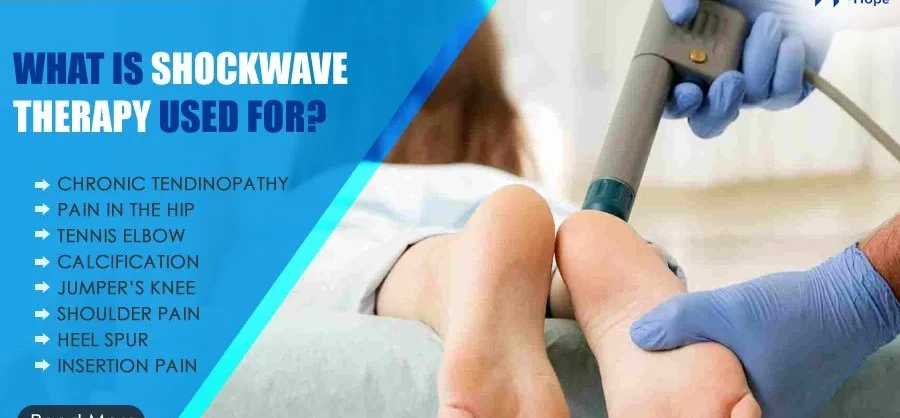
What is Shockwave Therapy?
Shockwave Therapy for Joint Pain Management is a non-invasive treatment that uses acoustic waves to promote healing and reduce pain in joints and soft tissues. It stimulates blood circulation, enhances cell regeneration, and breaks down calcifications, making it an effective option for chronic pain conditions.
When is Shockwave Therapy Recommended?
Shockwave therapy is recommended for individuals experiencing:
- Chronic joint pain that hasn’t improved with conventional treatments
- Tendonitis or ligament injuries
- Osteoarthritis-related pain
- Sports injuries affecting joints or tendons
- Plantar fasciitis or Achilles tendon pain
How is Shockwave Therapy Performed?
A healthcare provider applies a gel to the treatment area and then uses a handheld device to deliver targeted shockwaves. These pulses penetrate the tissues, triggering a healing response. The procedure typically lasts 10–20 minutes and may require multiple sessions for optimal results.
Recovery After Shockwave Therapy
Most patients resume normal activities immediately after treatment. Mild discomfort, redness, or swelling may occur but usually resolves within a few days. Some patients experience noticeable pain relief after one session, while others may need a few weeks for full benefits.
Risks of Shockwave Therapy
Though generally safe, shockwave therapy may cause:
- Temporary swelling or bruising
- Mild discomfort during or after treatment
- Skin irritation in sensitive individuals
- Rare cases of tendon rupture if improperly administered
Benefits of Shockwave Therapy
- Non-invasive and drug-free pain relief
- Stimulates natural healing and tissue repair
- Improves joint mobility and function
- Reduces inflammation and chronic pain
- Minimal recovery time compared to surgical options
Shockwave therapy offers a promising solution for managing joint pain, helping patients regain mobility and improve their quality of life.
